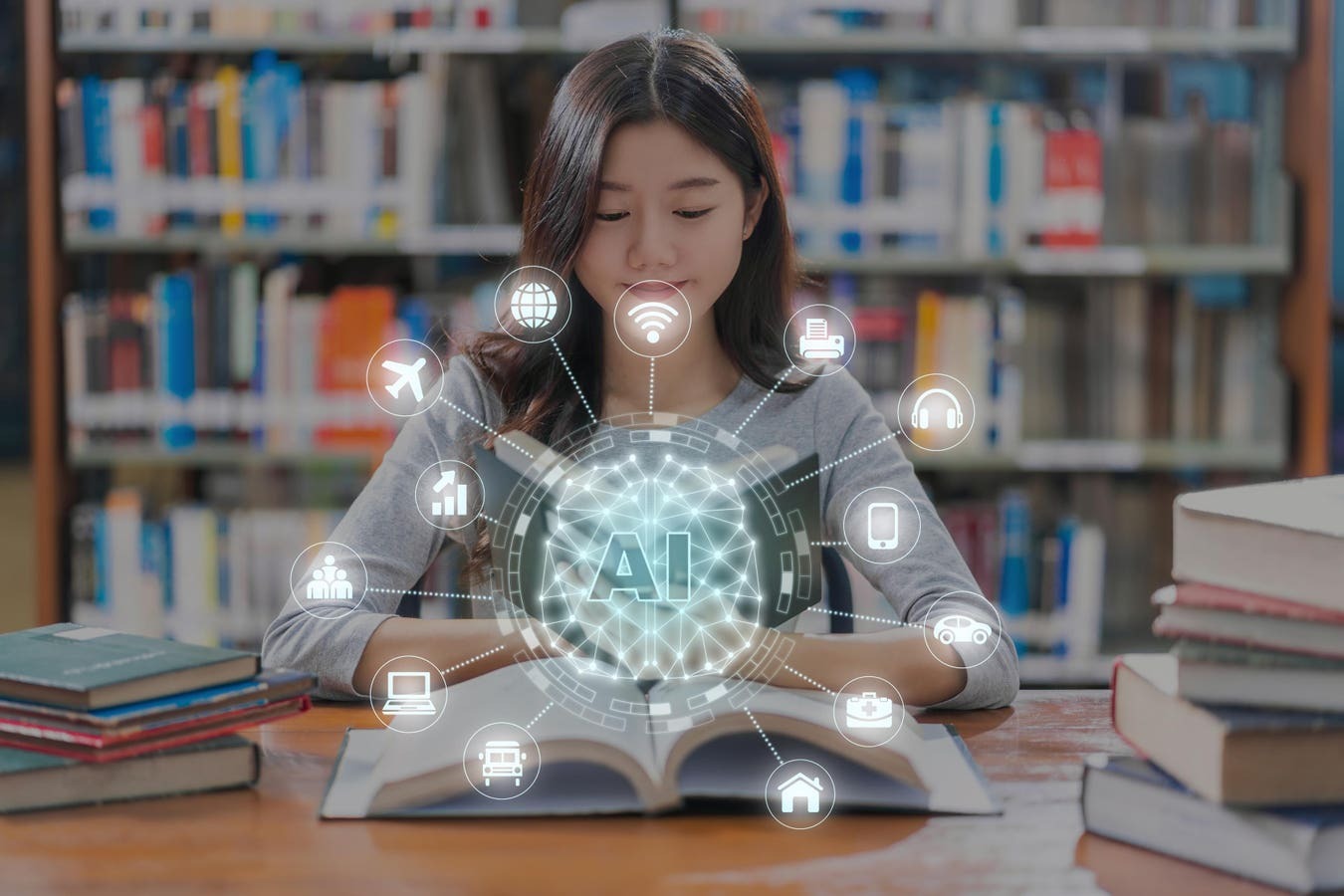
The Student’s Digital Companion: Understanding the Impact of AI Homework Assistants
The landscape of education has dramatically transformed in recent years, with technological innovations reshaping how students engage with learning materials. Among these advancements, the AI Homework Helper has emerged as a revolutionary tool, fundamentally changing the dynamics of academic support and independent study. These sophisticated digital companions are not merely automated answer providers but comprehensive learning partners that adapt to individual student needs.
The evolution of AI homework assistants represents a significant milestone in educational technology. Unlike their predecessors, which offered limited functionality and generic responses, today’s AI helpers utilize advanced machine learning algorithms to deliver personalized educational experiences. They can analyze a student’s work patterns, identify areas of difficulty, and adjust their guidance accordingly, creating a truly customized learning journey.
This personalization extends beyond simple academic content. Modern AI homework assistants can adapt to different learning styles, offering visual explanations for visual learners, step-by-step breakdowns for analytical thinkers, and contextual examples for those who learn best through application. This versatility ensures that students receive information in formats that resonate with their natural learning preferences, enhancing comprehension and retention.
The immediate feedback provided by these AI systems represents another significant advancement. Traditional homework assignments often involved a lengthy wait for teacher assessment, during which misconceptions could become entrenched. AI homework helpers eliminate this delay, providing instant evaluation and correction. This immediacy allows students to adjust their understanding in real-time, preventing the solidification of incorrect concepts and approaches.
For teachers, these AI tools offer valuable insights into student progress and challenges. The data collected by homework assistants can highlight common areas of difficulty across a class, enabling educators to adjust their teaching strategies accordingly. This data-driven approach to instruction ensures that classroom time is used efficiently, focusing on concepts that require additional explanation or practice.
Parents also benefit from the implementation of AI homework assistants. These tools provide transparency into their children’s academic progress, highlighting areas of strength and weakness. This visibility enables parents to offer more targeted support and engage more meaningfully in their children’s educational journeys. Additionally, AI homework helpers can reduce household tension around assignment completion, as students have access to immediate assistance when parents may not be available or may not remember specific subject matter.
The accessibility offered by AI homework assistants addresses longstanding inequities in educational support. Students from all socioeconomic backgrounds can access high-quality academic guidance through these digital platforms, regardless of their ability to hire private tutors or attend after-school programs. This democratization of educational resources helps level the playing field, giving more students the opportunity to succeed academically.
Critics of AI homework assistants often express concern about the potential for these tools to enable academic dishonesty. However, the most effective systems are designed not to provide answers but to guide students through the process of finding solutions independently. They offer hints, ask leading questions, and break complex problems into manageable steps—mirroring the strategies of effective human tutors rather than simply revealing answers.
The psychological benefits of AI homework assistants should not be overlooked. Many students experience anxiety when faced with challenging assignments, particularly in subjects they find difficult. The non-judgmental support offered by AI helpers can reduce this anxiety, creating a safe space for students to make mistakes and learn from them. This supportive environment encourages academic risk-taking and builds confidence over time.
As we look toward the future of education, the role of AI homework assistants is likely to expand. Integration with virtual reality and augmented reality technologies promises to create immersive learning experiences that engage multiple senses and learning modalities. Additionally, advancements in natural language processing will enable more nuanced and conversational interactions between students and their digital assistants.
The gamification of learning represents another promising frontier for AI homework helpers. By incorporating elements of game design—such as points, levels, and rewards—these tools can enhance student motivation and engagement. The satisfaction of progressing through increasingly challenging content creates a positive feedback loop that encourages continued effort and participation.
Educational institutions are increasingly recognizing the value of AI homework assistants as complementary to traditional instruction. Rather than viewing these tools as replacements for human teachers, forward-thinking schools see them as valuable additions to the educational ecosystem—extensions that allow for more personalized and responsive learning experiences.
In conclusion, AI homework assistants represent a significant advancement in educational technology, offering personalized support, immediate feedback, and enhanced accessibility. As these tools continue to evolve, they promise to further transform the educational landscape, creating more equitable, engaging, and effective learning experiences for students worldwide.