

Zero Gravity Massage Chairs: The Engineering Behind Modern Relaxation
As remote work and long commutes shape daily life across Canada, more people are looking for practical ways to manage the muscle tension and fatigue that come with sitting for hours. The home wellness market has grown quickly in response, and the massage chair has moved from a luxury novelty to a considered piece of equipment. A modern zero gravity massage chair brings together several distinct technologies, and understanding how they work helps a buyer judge what truly matters.
The Zero Gravity Principle
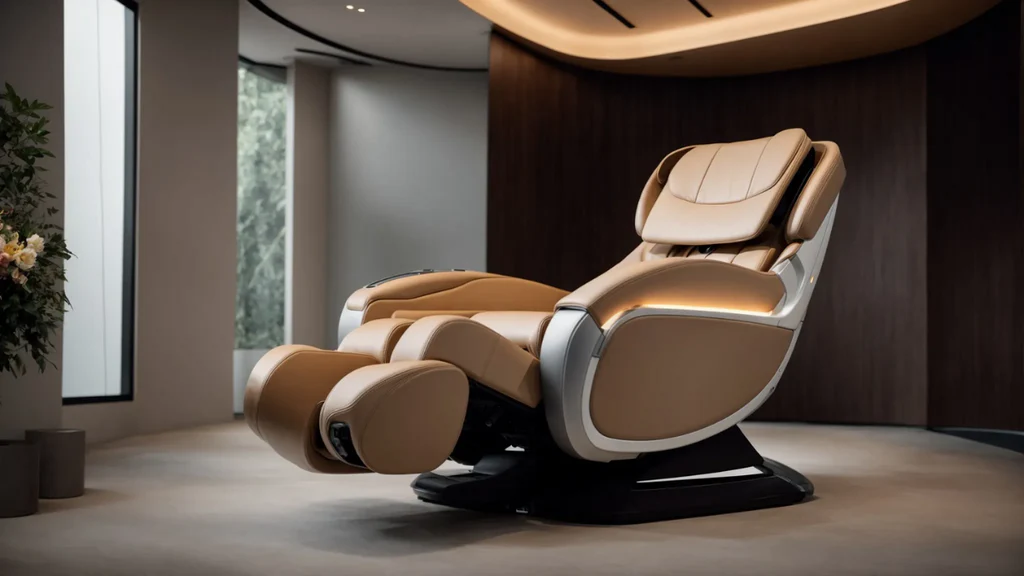
The term zero gravity is borrowed from aerospace research. Engineers studying how to reduce stress on the body during launch found that reclining a person until the knees sit slightly above the heart distributes weight evenly along the spine and eases the load on individual joints. A massage chair recreates this neutral posture by reclining the seat and raising the leg rest together. In this position the spine decompresses, the muscles relax, and the work of any massage mechanism is felt more fully because the body is no longer fighting gravity to hold itself upright.
How the Massage Mechanism Works
At the heart of the chair is a track of rollers that travels along the back, driven by a motor and a system of gears. Earlier chairs moved rollers in two dimensions, up and down and side to side. A four dimensional mechanism adds depth and rhythm, allowing the rollers to press more or less firmly and to vary their speed, which more closely imitates the changing pressure of a human therapist’s hands. The track itself usually curves to follow the natural line of the spine, so the rollers maintain consistent contact from the neck to the lower back.
Surrounding this core are several supporting systems. Airbags inflate and deflate to deliver compression around the arms, shoulders, hips, and legs, gently squeezing and releasing in a way that complements the rollers. A dedicated foot massager uses rollers and compression to work the soles, where long days leave their mark. Together these elements treat the body as a whole rather than focusing on the back alone.
Body Scanning and Programs
One of the most useful advances is body scanning. Before a session begins, the chair runs sensors along the back to map the length and curve of the user’s spine and the position of the shoulders. It then adjusts the roller path to match that individual, so a tall user and a shorter one each receive contact in the right places. This personalisation is what separates a modern chair from the fixed, one-size mechanisms of the past.
Preset programs build on this foundation. A selection of automatic routines targets common goals, and intuitive controls let the user refine them. Typical features include:
- Multiple automatic programs that vary technique, intensity, and focus area.
- A touch screen and connectivity for selecting and saving preferred settings.
- An extending footrest that adapts the chair to different heights.
Comfort, Wellbeing, and Sensible Use
People turn to massage chairs to unwind, ease everyday muscle tension, and create a moment of calm in a busy day. Used sensibly, a chair can be a pleasant part of a relaxation routine. It is important, however, to treat it as a comfort device rather than a medical treatment. Sessions are best kept to a moderate length, since longer is not necessarily better, and anyone with a health condition, a recent injury, or who is pregnant should speak with a qualified professional before regular use. Listening to the body and choosing a gentler setting when needed keeps the experience comfortable and safe.
Strengths and Limitations
A well built massage chair offers real benefits, alongside limits worth keeping in mind:
- It delivers consistent, on-demand relaxation at home, combining rollers, compression, and a supported posture in one unit.
- It is a large, heavy piece of furniture and a considered purchase, so it needs adequate space and a clear understanding that it supports comfort rather than replacing medical care.
From Specialist Equipment to the Family Home
Powered massage equipment was once found mainly in clinics and high-end spas, where trained staff operated large, expensive machines. Advances in compact motors, lighter frames, and digital controls have steadily brought the technology within reach of ordinary households. What was a rare indulgence a generation ago now fits comfortably in a living room or home office, reflecting a wider shift toward managing everyday stress at home rather than seeking it out elsewhere. For many Canadians working long hours indoors through the winter, that convenience is a large part of the appeal. Having a chair always ready in the corner of a room lowers the barrier to taking a short break, and that ease of access often does more for consistent use than any single advanced feature, since a tool is only useful when it is actually picked up.
Heat, Upholstery, and Build Quality
Many chairs add a gentle heating element in the lower back, since warmth helps muscles relax and makes the roller action feel smoother. The covering material matters too: a durable synthetic upholstery must flex thousands of times over the moving mechanism without cracking, while remaining easy to wipe clean. Beneath the surface, the quality of the frame, motors, and gears determines how quietly and reliably the chair performs over years of use. A well engineered chair runs smoothly and lasts, whereas a poorly built one soon grows noisy and uneven, which is why construction deserves as much attention as the list of programs.
Conclusion and Future Trends
A zero gravity massage chair is a quiet piece of engineering, blending an aerospace insight about posture with mechanical, pneumatic, and sensing systems to support everyday relaxation. As interest in home wellness continues to grow across Canada, these chairs are likely to become smarter, with finer body mapping and more responsive mechanisms. Those who choose a well made model from an established industrial equipment supplier can bring a dependable source of comfort into the home for many years to come.


